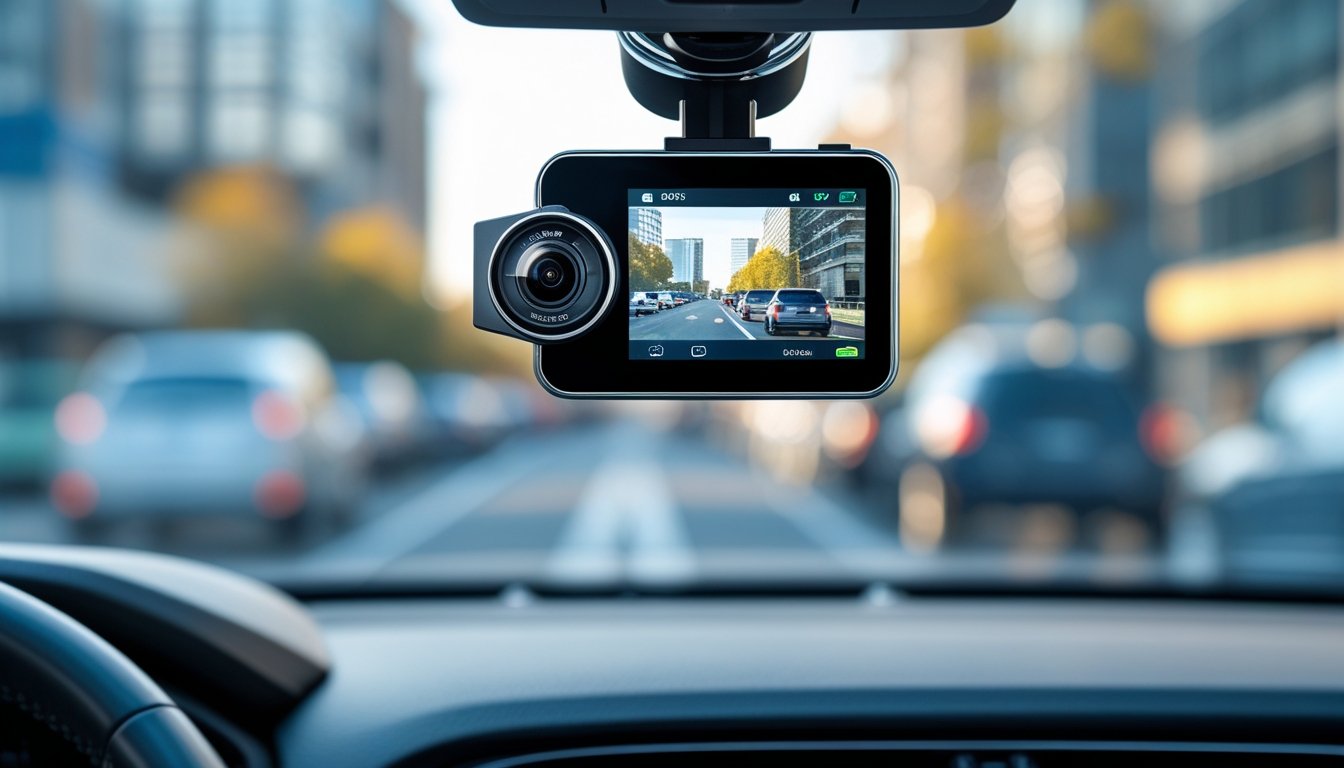
Car accidents happen fast, and proving what really occurred can be difficult when it comes down to one person’s word against another’s. Dashcams have become popular tools for drivers who want clear evidence of road incidents, but many people wonder how these devices affect their car insurance.
Dashcams provide valuable evidence for insurance claims but typically do not reduce insurance premiums, though some insurers may offer discounts of up to 20 percent. Most insurance companies welcome dashcam footage because it helps claims assessors make liability decisions with more confidence.
Understanding how dashcams work with insurance involves knowing their impact on claims processing, potential cost savings, and the right ways to use footage when filing a claim. The relationship between dashcams and insurance is more complex than simply installing a camera and expecting lower rates.
How Dashcams Impact Insurance Claims
Dashboard cameras provide clear video evidence that helps insurance companies determine fault and process claims faster. They also protect drivers from false claims by recording what actually happened during incidents.
Role of Dash Cam Footage in Proving Fault
Dash cam footage serves as objective evidence when determining who caused an accident. Insurance companies can use video recordings to see exactly what happened without relying only on driver statements.
The footage shows important details like:
- Speed of vehicles before impact
- Traffic signal colors at the time of collision
- Lane changes and driving behavior
- Weather conditions during the incident
Clear video evidence helps resolve disputes quickly. When fault is obvious from the recording, the at-fault driver’s insurance typically accepts responsibility faster.
This can help drivers avoid paying their excess fee. It also protects their no-claims bonus when they prove they weren’t at fault.
Streamlining the Insurance Claims Process
Dashboard cameras make insurance claims faster and easier to process. Video footage helps establish exactly what happened without lengthy investigations.
Insurance companies can review footage to:
- Verify claim details match the actual incident
- Assess damage levels based on impact severity
- Identify all vehicles involved in multi-car accidents
- Confirm the location and time of incidents
Most insurers accept dash cam footage as evidence. Drivers can usually submit videos online or email private YouTube links to their claims team.
The clear evidence reduces back-and-forth discussions between insurance companies. Claims often settle faster when video proof supports the policyholder’s version of events.
Using Dashcams to Prevent Fraudulent Claims
Dash cam footage protects drivers from false or exaggerated insurance claims. The objective video evidence shows what really happened during an incident.
Dashboard cameras can prevent inflated payouts by showing the actual severity of collisions. If someone claims serious damage from a minor bump, the footage proves otherwise.
Common fraud protection includes:
- Staged accidents where criminals intentionally cause crashes
- Exaggerated injuries that don’t match the impact severity
- False damage claims for pre-existing vehicle problems
- Hit-and-run incidents where the other driver lies about fault
The cameras also help identify other drivers in hit-and-run cases. License plates and vehicle descriptions captured on video help police and insurers track down responsible parties.
Effects of Dashcams on Car Insurance Premiums and Costs
Most Australian car insurance companies don’t reduce premiums based on dashcam installation, but some insurers offer small discounts averaging around 4% off policy costs. The insurance market shows mixed adoption of dashcam incentives despite growing popularity among drivers.
Dashcam Influence on Insurance Premiums
Major Australian insurers typically don’t factor dashcams into premium calculations. Suncorp states that dash cams don’t reduce the risk of incidents occurring, so they aren’t used when determining policy costs.
AAMI confirms that having a dashcam does not impact car insurance premiums. Most insurers view dashcams as evidence-gathering tools rather than risk-reduction devices.
The reasoning centers on accident prevention. Insurance companies calculate premiums based on factors that lower crash likelihood. Since dashcams record incidents rather than prevent them, they don’t qualify for premium reductions.
However, dashcams may be considered vehicle modifications. Some insurers recommend notifying your provider about dashcam installation to ensure the device gets covered if the car is stolen or damaged.
Possibility of Discounts or Reduced Insurance Costs
Research shows 20% of car insurers offer dashcam discounts. These discounts average 4.15% off comprehensive policies when compared to identical coverage without dashcams.
State-by-State Discount Averages:
| State | Average Discount |
|---|---|
| Queensland | 4.65% |
| Victoria | 3.97% |
| New South Wales | 3.84% |
The discounts remain modest but meaningful for budget-conscious drivers. On a $1,000 annual premium, a 4% discount saves $40 per year.
Budget Direct explains that dashcam footage speeds up liability determination, reducing assessment costs. Insurers can pass these savings to customers through competitive pricing.
Basic dashcams cost as little as $14 online. Even simple models may qualify for insurance discounts, making them cost-effective investments for many drivers.
Dashcam Adoption and Market Trends
Dashcams are increasingly popular in Australia as drivers seek protection against insurance fraud and disputed claims. The devices provide crucial evidence during accident investigations.
Many drivers install dashcams for peace of mind rather than insurance savings. Footage helps establish fault in hit-and-run cases and supports claims when drivers aren’t at fault.
The insurance industry shows cautious adoption of dashcam incentives. While some companies offer discounts, others focus on claims processing benefits rather than premium reductions.
Market trends suggest growing acceptance of dashcam technology. More insurers may introduce discount programs as competition increases and claims data proves dashcam value in reducing fraudulent or disputed claims.
Best Practices for Using Dash Cams for Insurance Purposes
Getting the most from a dashboard camera requires choosing the right device, properly installing it, and knowing how to submit footage when needed. Understanding legal requirements and privacy rules also protects drivers from potential issues.
Selecting and Installing a Dashcam
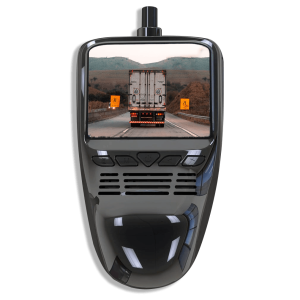
The quality of dash cam footage depends heavily on choosing the right device. Drivers should look for cameras that record in high-definition (HD) to capture clear and detailed footage. This clarity becomes crucial when presenting evidence to insurance companies.
Key features to consider:
- Video resolution: 1080p minimum for clear license plate reading
- Night vision capabilities: Essential for low-light accidents
- Wide-angle lens: Captures more of the road scene
- Loop recording: Automatically overwrites old footage
- G-sensor: Automatically saves footage during sudden impacts
Proper installation ensures the dashcam captures useful footage. The camera should mount behind the rearview mirror to avoid blocking the driver’s view. Proper positioning is essential for ensuring your dash cam footage supports your car insurance claim.
The device needs a clear view through the windscreen without obstruction from wipers or tinting. Power cables should run along the edges of the windscreen and dashboard to avoid distraction.
Submitting Dashcam Footage to Insurers
When an accident occurs, drivers must act quickly to preserve dash cam footage. Most cameras automatically save footage when they detect sudden movement or impact. However, manually saving the file prevents it from being overwritten by loop recording.
Drivers should download footage to a computer or phone immediately after an incident. The original file should remain untouched, with copies made for submission. High-quality video footage may support your insurance claim in a number of ways.
Steps for submitting footage:
- Contact the insurance company immediately
- Inform them that dashboard camera footage exists
- Follow their specific submission process
- Provide timestamps and context for the footage
- Submit both the incident footage and several minutes before
Insurance companies typically accept footage through online portals, email, or physical storage devices. The submission should include details about camera settings, time, date, and weather conditions during recording.
Legal and Privacy Considerations
Australian drivers face specific legal requirements when using dashboard cameras. Dashcam laws vary by state and require proper understanding to avoid legal issues.
Privacy laws restrict how drivers can use and share footage. Recording public roads is generally legal, but sharing footage that identifies other people may violate privacy regulations. Drivers cannot record audio conversations without consent in most states.
Legal guidelines include:
- Mount cameras where they don’t obstruct vision
- Avoid recording private property without permission
- Don’t share footage publicly without blurring faces and license plates
- Store footage securely to prevent unauthorized access
- Only use footage for legitimate insurance or legal purposes
Drivers should check their state’s specific requirements before installation. Some areas restrict screen size or placement location. Understanding these rules prevents legal complications when submitting footage for insurance claims.