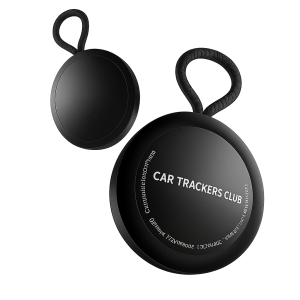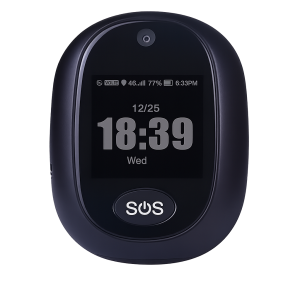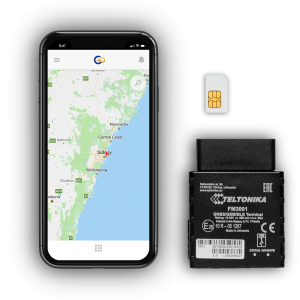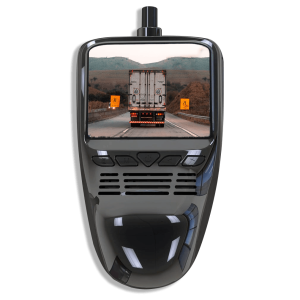
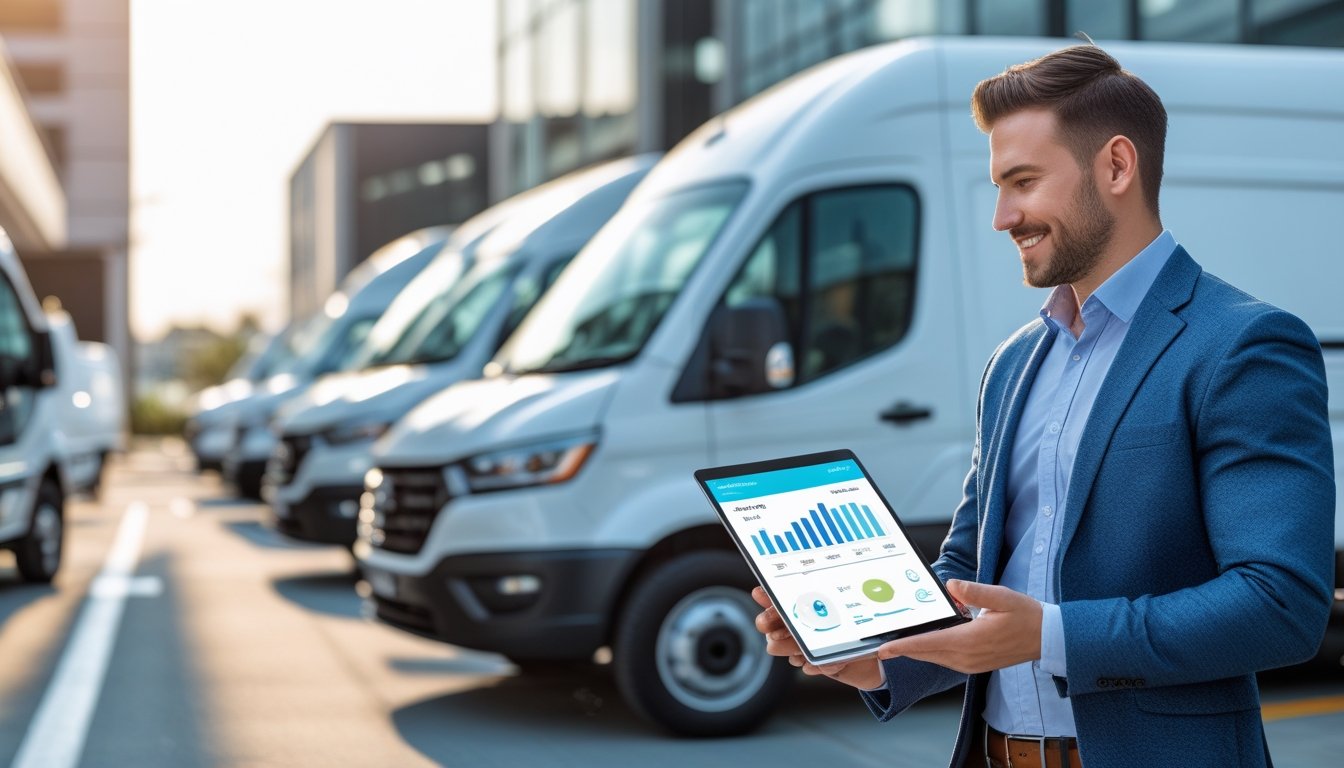
Small business fleets face tight margins, rising fuel prices, and constant pressure to deliver on time. They cannot afford wasted fuel, unexpected breakdowns, or inefficient routes. Smart vehicle telematics gives them clear visibility into vehicle use, driver behaviour, and operating costs.
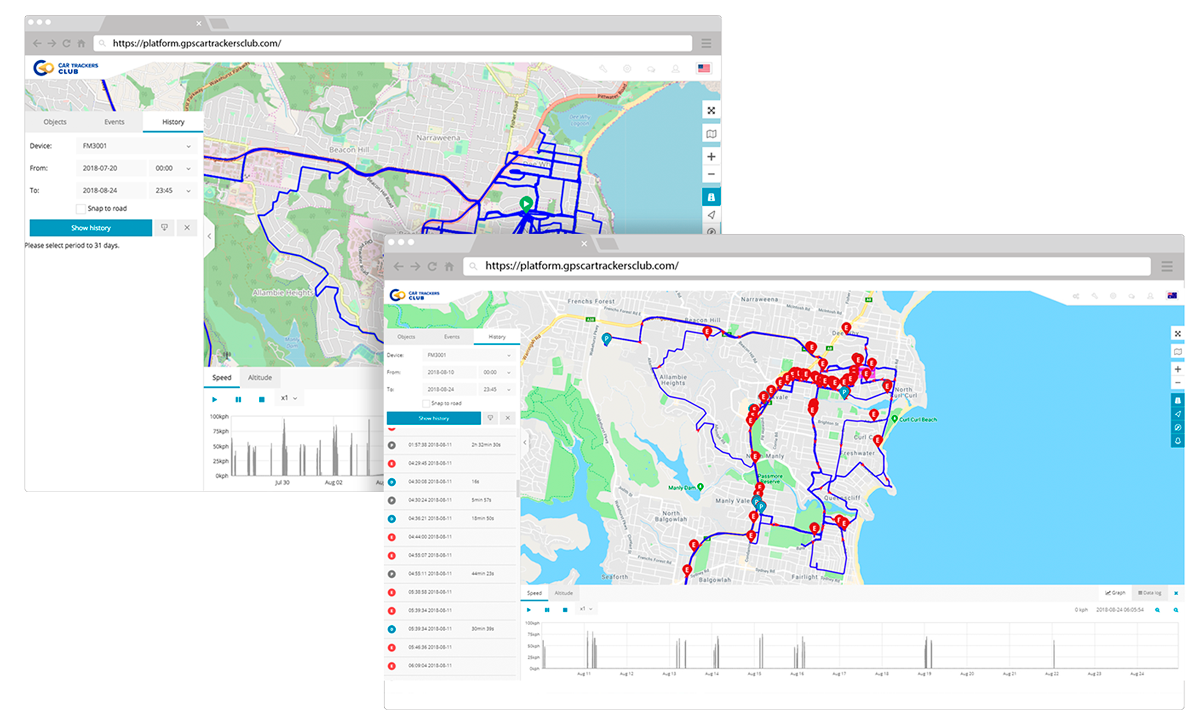
Small business fleets save thousands by using telematics to reduce fuel waste, prevent costly repairs, improve driver performance, and make data-driven decisions in real time. With GPS tracking, engine diagnostics, and route optimisation, they spot excessive idling, unauthorised use, and maintenance issues before those problems escalate into larger expenses.
Modern systems remain affordable and scalable, with entry-level units and mobile-based options suited to smaller operations. When fleets connect telematics data to simple dashboards and reports, they gain the control needed to cut costs, strengthen safety, and build a more efficient operation.
How Smart Vehicle Telematics Save Small Business Fleets Thousands
Smart vehicle telematics gives small fleet managers direct control over fuel consumption, driver behavior, and daily fleet operations. By using real-time data and route optimization tools, they reduce fuel costs, improve safety, and strengthen fleet performance without adding vehicles or staff.
Unlocking Fuel Savings and Reducing Excessive Idling
Fuel often represents one of the largest operating expenses for small fleets. Telematics systems track fuel consumption in real time, allowing managers to identify patterns that drive up costs.
Excessive idling is a common and expensive issue. When vehicles idle for extended periods at job sites or during deliveries, they burn fuel without generating revenue and increase engine wear.
Telematics platforms flag:
- Idle time by vehicle and driver
- Fuel usage per trip
- Engine-on time vs. movement time
With this data, small fleet managers set idle thresholds and coach drivers to shut off engines during long stops. Even reducing idle time by 15–20 minutes per vehicle per day can lower monthly fuel expenses across a small fleet.
Clear reporting also helps owners measure improvements over time. Instead of guessing where fuel dollars go, they act on specific, verifiable data.
Improving Driver Behavior and Safety
Driver behavior directly affects fuel costs, maintenance expenses, and insurance premiums. Telematics captures data on speeding, harsh braking, rapid acceleration, and sharp cornering.
These driving patterns increase fuel consumption and raise the risk of collisions. Accidents often lead to repair costs, downtime, higher insurance rates, and potential liability.
Small fleet managers use driver scorecards to promote safe driving practices. Many systems provide:
- Safety scores by driver
- Alerts for risky behavior
- Dash cam integration for incident review
By addressing unsafe habits early, businesses improve safety and reduce preventable incidents. Some insurers also offer discounts for fleets that actively monitor and manage driver safety through telematics.
Safer driving protects employees and stabilizes long-term operating costs.
Streamlining Fleet Operations with Real-Time Data
Limited visibility often challenges small fleets. Without accurate data, managers rely on phone calls and manual updates to track vehicle locations and job status.
Telematics delivers real-time data on:
- Vehicle location
- Engine diagnostics
- Maintenance alerts
- Trip history
This visibility allows managers to respond quickly to delays, breakdown risks, or schedule changes. For example, engine fault alerts support preventive maintenance, which reduces unexpected repairs and vehicle downtime.
Real-time tracking also improves accountability. Managers know which vehicles are active, which are parked, and how long jobs take.
By tightening control over daily fleet operations, small businesses reduce wasted time and make better staffing and dispatch decisions.
Integrating Route Optimization for Cost-Effective Fleet Performance
Inefficient routing increases fuel use, labor hours, and vehicle wear. Telematics systems with route optimization tools calculate efficient paths based on distance, traffic conditions, and job priority.
Instead of relying on driver preference, small fleet managers assign routes that reduce unnecessary mileage. Fewer miles driven directly lower fuel consumption and maintenance costs.
Route optimization supports:
- Shorter drive times
- Reduced backtracking
- Faster response to urgent jobs
When integrated with real-time GPS tracking, managers can reroute vehicles around traffic or construction delays. This flexibility keeps schedules on track and improves customer service without expanding the fleet.
Consistent route planning strengthens overall fleet performance. Over weeks and months, even small mileage reductions per vehicle translate into measurable cost savings for small businesses.
Essential Telematics Solutions for Small Fleet Success

Small fleets reduce waste and control risk when they pair accurate vehicle tracking with actionable telematics data. The right systems turn GPS tracking, driver behavior metrics, and maintenance alerts into clear data-driven decisions.
Choosing the Right Telematics Solution and Fleet Management Software
Small businesses should prioritize telematics solutions that deliver reliable vehicle location data, driver behavior insights, and system integration. Accurate GPS tracking must update frequently enough to support dispatch, route changes, and customer ETAs without delay.
Fleet management software should track:
- Real-time vehicle tracking and trip history
- Driver behaviors such as speeding, rapid acceleration, and harsh braking
- Fuel usage and idle time
- Basic engine diagnostics through onboard data
Integration matters. Systems that connect with payroll, accounting, or field service platforms reduce manual data entry and reporting errors.
Cost also influences the decision. Entry-level GPS units may start around a few hundred dollars installed, while advanced options such as AI dashcams increase upfront investment but strengthen safety monitoring.
Small fleets benefit most from scalable platforms. They can start with core fleet tracking features and add tools like dashcams or advanced analytics as operations grow.
Predictive Maintenance and Minimizing Downtime
Predictive maintenance relies on telematics data from engine diagnostics, mileage tracking, and fault codes. Instead of waiting for breakdowns, fleet managers schedule service based on actual vehicle performance.
Fleet management software can trigger alerts for:
- Engine fault codes
- Oil change intervals
- Tire pressure issues
- Battery health concerns
This approach reduces unexpected roadside failures and shortens repair time. Vehicles spend more time in service and less time in repair shops.
Unplanned downtime affects revenue directly. A delivery van out of service can delay routes, increase overtime, and reduce customer satisfaction.
When managers review maintenance trends across the fleet, they identify recurring issues tied to driving habits. Excessive harsh braking or speeding may accelerate wear on brakes and tires. Addressing these behaviors lowers long-term repair costs and extends vehicle lifespan.
Ensuring Data Security in Fleet Tracking
Fleet tracking systems collect sensitive data, including vehicle location, driver behavior, and operational schedules. Protecting that information requires structured data security controls.
Reliable telematics solutions should provide:
- Encrypted data transmission
- Secure cloud storage
- Role-based user access
- Audit logs for system activity
Role-based access ensures that dispatchers, managers, and executives only view the data relevant to their responsibilities. This limits internal misuse.
Vendors should also support regular software updates and security patches. Outdated systems increase exposure to unauthorized access.
Clear internal policies strengthen technical safeguards. Companies should define how long they retain telematics data, who can export reports, and how they respond to suspected breaches. Structured controls protect operational integrity while preserving trust with employees and customers.