

When something happens to your car, the first question is always the same: where is it right now? A plug-and-play GPS tracker gives you that answer instantly, along with alerts that flag towing, tampering, or unexpected movement before the situation gets worse. That combination of real-time location and anti-theft alerts is what most Australian vehicle owners actually want from a car GPS tracker, whether they’re protecting a family car, keeping an eye on a teen driver, or managing a handful of work vehicles.
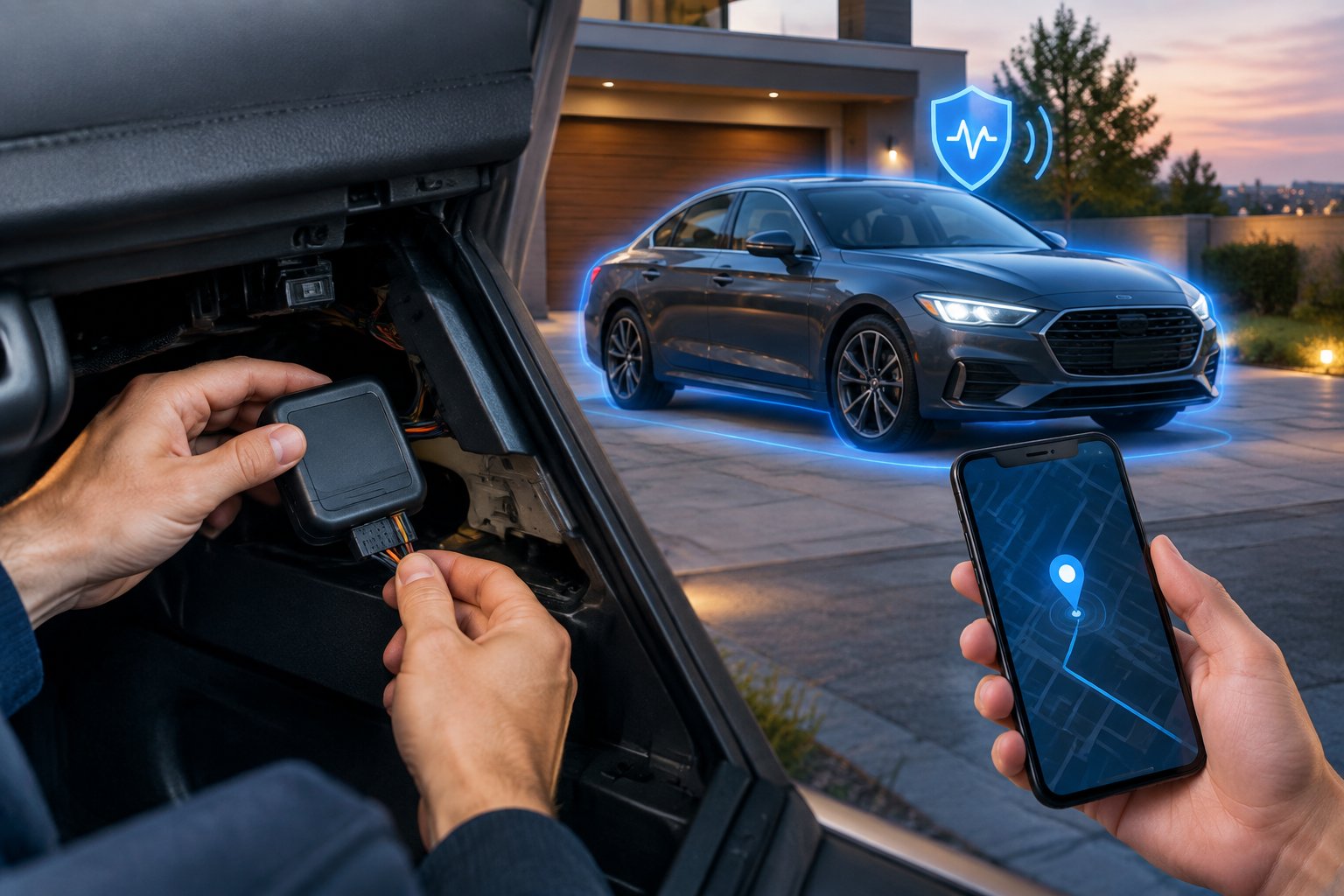
Car Trackers Club builds its platform around exactly this job. Its vehicle tracking devices plug into a car’s OBD-II port, connect via a configured SIM, and start reporting location and alerts through a dashboard and mobile app without any wiring or technical setup. The rest of this article walks through how live tracking, security alerts, and installation choices work together, so you can set up a system that suits your vehicle and how you use it.
How Live Vehicle Tracking Helps You Act Sooner
Live tracking gives you an up-to-date picture of where a vehicle is, so you can respond to unusual activity while it’s still happening rather than piecing things together afterward. It works alongside trip history and mobile access to turn raw location data into something you can actually use day to day.
What Does Real-Time Location Mean for a Car Tracker?
Real-time location means the tracker reports its position continuously rather than at scheduled intervals. With a car GPS tracker, this lets you check where a vehicle is at any moment through a mobile app or web platform, instead of waiting for a periodic update.
For a stolen vehicle, this immediacy matters for the same reason a live phone call beats a voicemail: you’re working with current information, not a snapshot from an hour ago. It also helps with everyday situations, like confirming a delivery van has reached its next stop or checking that a teen driver has arrived where they said they would.
How Route History Turns Location Data Into Useful Records
Route history stores where a vehicle has travelled, so a single location point becomes a record you can review later. Car Trackers Club retains trip history for up to one year, which is useful for confirming past journeys, checking fuel-related patterns, or reviewing a vehicle’s movements after an incident.
This is different from real-time tracking in purpose. Real-time location answers “where is it now,” while route history answers “where has it been, and when.” Both draw on the same underlying GPS data.
Using a Mobile App and Web Platform to Check Vehicles Anywhere
A mobile app and web platform give you two ways to reach the same tracking information, depending on where you are. The app suits quick checks from a phone, while the web platform on a desktop or laptop works well for reviewing reports or managing several vehicles at once.
Car Trackers Club supports both iPhone and Android access alongside its web dashboard. Notifications arrive through app alerts or email, so you’re not stuck refreshing a screen to catch something important.
Which Anti-Theft Alerts Matter Most?
The alerts that matter most are the ones that flag unauthorised movement, tampering, and attempts to disable the tracker itself, because these are the moments when fast information makes the biggest difference. Geofencing adds another layer by watching for a vehicle crossing a boundary it shouldn’t.
Movement, Towing, and Unauthorised Activity Alerts
A movement or towing alert triggers when a vehicle is relocated without the engine running as expected, which is a common pattern in vehicle theft. Car Trackers Club’s Vehicle GPS Tracker includes a dedicated towing alert alongside notifications for hard acceleration, hard braking, and crashes.
These alerts don’t stop a theft in progress. They give you an early notification so you can act quickly, whether that means contacting police, alerting your fleet manager, or simply confirming a family member borrowed the car without saying so.
Geofencing and Geo-Fence Notifications for Safer Zones
Geofencing lets you draw a virtual boundary around a location and get notified when a vehicle enters or exits it. A geo-fence around a depot, a family home, or a work site turns location data into a simple yes-or-no check: is the vehicle where it should be.
Car Trackers Club includes custom geofence zones as part of its core tracking features. Parents use this to know when a car reaches school or home; fleet managers use it to flag unscheduled stops outside approved areas.
Tamper, Unplugging, Crash, and GPS Jamming Alerts
Tamper and unplug alerts notify you when someone disconnects or interferes with the tracker itself, which matters most in exactly the scenario where discreet tracking counts. Car Trackers Club also flags GPS jamming, a technique sometimes used to block a tracker’s signal, and crash detection for sudden impact events.
None of these alerts guarantee recovery of a stolen vehicle. They give you the clearest possible picture of what’s happening, as it happens, so you can make an informed decision quickly.
Choose the Right Installation and Power Option
Most Australian vehicles built after 1996 with an OBD-II port suit a plug-and-play tracker, which avoids wiring altogether and gets you tracking within minutes of opening the box. Vehicles without a suitable OBD-II port, or with specific mounting needs, may call for a hardwired setup instead.
Why an OBD-II Port Tracker Is the Easiest Option for Compatible Vehicles
An OBD-II tracker connects under the steering wheel without any wiring, which makes it the simplest option for most cars, vans, utes, buses, and trucks built after 1996. Car Trackers Club’s devices are designed around this plug-and-play approach, arriving with a configured SIM card so tracking starts as soon as the unit is connected and you’ve logged into the dashboard.
This suits vehicle owners who want tracking up and running quickly without booking an installer. It’s also the more common choice among the private vehicles and light fleet vans we hear from Australian customers about.
When Hardwired Installation May Be a Better Fit
Hardwired installation connects a tracker directly to a vehicle’s electrical system rather than through the OBD-II port. Car Trackers Club notes that some device options may require wiring depending on a customer’s specific requirements, which can suit vehicles where a more permanent or concealed connection is preferred.
This route generally involves more setup time than a plug-and-play device. It’s worth discussing your vehicle type and intended use with the support team before choosing between the two.
Battery Life, Long Battery Life, and Battery Alerts Explained
Battery life determines how long a tracker keeps reporting location once it’s disconnected from a vehicle’s power source, such as during towing or an attempted theft. A tracker with long battery life continues transmitting for an extended period in these situations, which is exactly when reporting matters most.
Battery alerts notify you when a device’s charge is running low, so you can address it before the tracker goes offline. Checking battery status periodically through the dashboard is a simple habit that keeps a tracking setup dependable.
What to Consider With Magnetic Mounting and Battery-Powered Trackers
Magnetic mounting and standalone battery-powered trackers are options some vehicle owners consider for portable or discreet placement outside a vehicle’s OBD-II port. These setups rely entirely on internal battery charge rather than a vehicle’s power system, so battery monitoring becomes more important.
If you’re weighing this kind of setup against a plug-and-play OBD-II tracker, think about how often you’re willing to check or recharge a standalone unit. A tracker connected to vehicle power removes that maintenance step for most everyday driving.
Beyond Security: Family and Fleet Management Benefits
Vehicle tracking supports more than theft response; it also helps you understand how a vehicle or fleet is actually being driven and used day to day. Driver monitoring, fuel tracking, and configurable alerts turn a security tool into an everyday operational one.
Driver Monitoring for Safer Everyday Driving
Driver monitoring tracks behaviours like harsh acceleration, hard braking, and cornering, giving you visibility into driving habits rather than just location. Car Trackers Club includes eco-driving monitoring alongside these alerts, which flags patterns that can indicate risky or inefficient driving.
For parents, this offers a practical way to have a conversation with a new driver grounded in real data. For fleet operators, it’s an early indicator of habits worth addressing before they lead to an incident.
How Fleet Management Supports Fuel, Routes, and Utilisation
Fleet management draws on fuel tracking, route history, and reporting to show how vehicles are used across a business. Car Trackers Club’s reporting covers driving hours, stopovers, distance travelled, and fuel use, which helps identify idling, inefficient routes, or underused vehicles.
This kind of visibility supports decisions beyond security, like adjusting routes or scheduling maintenance based on actual usage patterns rather than guesswork.
Setting Alerts That Match Your Vehicle or Business Needs
Alerts work best when they’re configured for how a specific vehicle is actually used, rather than left at default settings. Car Trackers Club offers unlimited customisable alerts, so a family car might be set up with geofence and towing alerts, while a fleet vehicle adds overspeed and fuel-related notifications.
Reviewing your alert setup shortly after installation, and adjusting it as your needs change, keeps the system relevant instead of generating notifications you end up ignoring.
Getting More From Car Trackers Club
Car Trackers Club is built for vehicle owners who want tracking to work from the moment it’s plugged in, without needing to manage SIM cards, network settings, or complicated installation steps. That starting point carries through into how alerts, trips, and support are handled once a device is active.
Start Tracking With a Configured SIM and Plug-and-Play Setup
Every device ships with a SIM card already configured, so tracking begins as soon as the unit is connected and you’ve logged into the dashboard. There’s no separate SIM activation step or provider account to set up.
This suits anyone who wants to avoid technical back-and-forth. Plug in a compatible tracker, log in, and the vehicle appears on the map.
Manage Alerts, Trips, and Reports in One Place
The dashboard and mobile app bring alerts, route history, and reports together, so you’re not switching between separate tools to understand a vehicle’s activity. Trip history is retained for up to one year, and reports cover driving hours, distance, stopovers, and fuel use.
Setting up geofences and alert preferences here early on means the platform is already working for you before you need it.
Coverage, Support, and Plans for Australian Vehicle Owners
Car Trackers Club runs on the Telstra network in Australia, with coverage extending to more than 70 countries including the United States on T-Mobile, Canada, Mexico, and Europe. The business states 99% network reliability and uptime.
Plans start at AUD $19.99 per device per month, or AUD $199.99 per year with two months free, with no lock-in contracts. Every device carries a two-year warranty, and support runs Monday to Friday, 9:00 am to 9:00 pm AEST, on 1800 002 204.
A Simpler Way to Keep Vehicles Visible and Protected
Vehicle tracking works best when real-time location, anti-theft alerts, and a straightforward setup are treated as one connected system rather than separate add-ons. Knowing where a vehicle is now, getting notified when something’s wrong, and being able to review where it’s been all support the same goal: staying informed enough to act with confidence.
Choosing the right installation for your vehicle, setting alerts that match how it’s actually used, and checking in on the dashboard periodically are the habits that make a tracking setup genuinely useful. Whether you’re protecting a single family car or managing a small fleet, that combination gives you practical visibility without unnecessary complexity.
If you’re ready to see this in action, Car Trackers Club offers a 30-day free trial, and the team is available on 1800 002 204 during support hours to help you match a device and alert setup to your vehicle.
Frequently Asked Questions
How does a real-time GPS car tracker work?
A real-time GPS car tracker uses satellite positioning and a cellular connection to report a vehicle’s location continuously to a mobile app or web platform. Car Trackers Club’s devices connect via the OBD-II port and use a configured SIM card, so location updates reach the dashboard without any additional setup.
Can a GPS tracker alert me if someone tows or unplugs my car?
Yes, dedicated towing and unplug alerts notify you when a vehicle is moved without the engine running, or when the tracker itself is disconnected. Car Trackers Club’s Vehicle GPS Tracker includes both alert types alongside crash and GPS jamming detection.
Is an OBD-II GPS tracker easy to install?
Yes, an OBD-II tracker plugs in under the steering wheel with no wiring required, making it suitable for most cars, vans, utes, buses, and trucks built after 1996. Car Trackers Club’s devices are plug-and-play, so tracking starts as soon as the unit is connected and you log in.
How long does a battery-powered car tracker last?
Battery life depends on the device and how the tracker draws power once disconnected from a vehicle’s electrical system. A tracker with long battery life continues reporting for an extended period during towing or power loss, and battery alerts notify you before charge runs low.
Can I use a car GPS tracker to manage a small fleet?
Yes, a car GPS tracker supports fleet management through fuel tracking, route history, and reports covering driving hours, distance, and stopovers. Car Trackers Club’s platform manages cars, vans, buses, utes, and trucks under one dashboard with unlimited customisable alerts.
Does GPS tracking work when a vehicle is underground or out of mobile coverage?
GPS tracking relies on both satellite signal and cellular network coverage, so reception can be limited underground or in remote areas. Supported trackers can log data locally and upload it once the vehicle returns to network range, rather than losing that trip history.